Recycling equipment manufacturerFor a green future
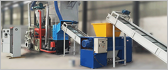
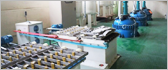
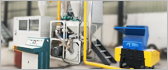
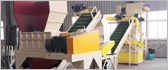


E-waste processing is a high-tech, high-investment environmental industry. The cost of machinery and equipment is one of the largest initial investments in establishing an E-waste recycling plant. A clear understanding of the composition and influencing factors of these costs is crucial for investors in project planning and budget control.
The final price of E-waste recycling machinery and equipment is determined by the following core factors:
1. Scale and Capacity
Capacity is the most direct factor affecting cost. A shredder that processes 1 ton of waste per hour costs significantly more than equipment that processes 100 kg. Larger plants require customized, higher-strength industrial-grade equipment, naturally increasing costs.
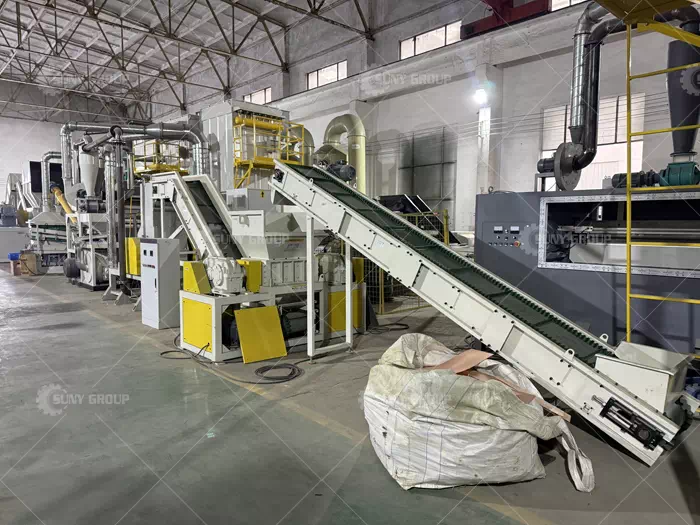
2. Level of Automation
Manual/Semi-automatic lines: Rely heavily on manual labor for sorting and dismantling; equipment purchase costs are low, but operating (labor) costs are high.
Fully automated lines: Employ PLC control systems, robotic sorting, and advanced optical sorting technology. While equipment purchase costs are high, they can effectively reduce labor costs and improve recycling efficiency.
3. Complexity of Materials
If a recycling plant focuses on processing specific high-value materials, such as waste printed circuit boards (PCBs) or lithium batteries, it must purchase expensive specialized equipment (such as PCB pyrolysis or hydrometallurgical equipment), which significantly increases machinery costs. Simple dismantling and sorting, however, results in relatively lower costs.
4. Brand and Certification
Internationally renowned brands and recycling technology suppliers with environmental certifications such as R2 or e-Stewards typically offer higher-priced equipment, but this also means higher recycling rates, more stable performance, and better compliance.
In addition to the initial purchase cost (CAPEX), investors must also factor in the depreciation and operating maintenance costs of the machinery into long-term costs. Typically, equipment depreciation, energy consumption, and maintenance account for a significant proportion of the total annual machinery recycling costs, with energy costs (17%-20%) and equipment depreciation (15%-18%) being the main expenditure items. Therefore, selecting energy-efficient and low-failure-rate equipment is key to controlling the long-term operating costs of electronic waste recycling plants.
Thank you for your interest in suny group. If you want to learn more about our E-waste recycling plant, copper wire recycling machine and other machines, Contact us now to find out what we can do for you next project!E-mail:[email protected] | Whatsapp:+8613674945231