Recycling equipment manufacturerFor a green future
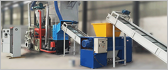
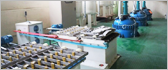
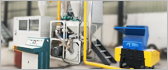


Electronic waste contains a variety of high-value metals, such as copper, gold and silver. Through the use of specialised equipment, a complete recycling process can be achieved—from dismantling and crushing to separation and refining—making it a vital means of improving resource utilisation and reducing the environmental impact.
Front-end Disassembly and Pre-treatment Equipment
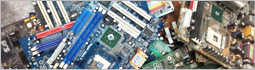
In e-waste recycling, the first step is not gold extraction, but ‘thorough disassembly’. PCB disassembly machines, coupled with degassing units, can heat circuit boards to effectively separate electronic components from the substrate whilst removing harmful gases. The core value of this step lies in reducing impurities in the subsequent crushing stage and improving the purity of metal separation. Compared to manual disassembly, this equipment operates more reliably and is better suited to large-scale processing.
Crushing and Sorting System: The Core of Metal Recovery
Once disassembled, the PCBs enter the crushing and sorting line, where materials are progressively reduced in size via twin-shaft crushers, hammer mills and grinding equipment. Subsequently, air classification, gravity separation and electrostatic separation technologies are employed to thoroughly separate metals from non-metals.
This stage determines the upper limit of recovery efficiency—the more thorough the separation, the lower the subsequent gold extraction costs. A mature sorting system can efficiently distinguish materials such as copper powder and resin powder, providing a stable raw material foundation for precious metal extraction.
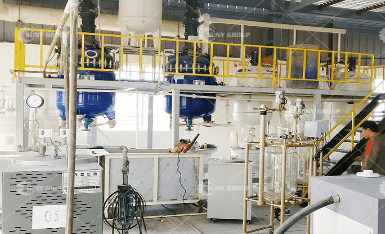
Precious Metal Extraction and Electrolytic Refining System
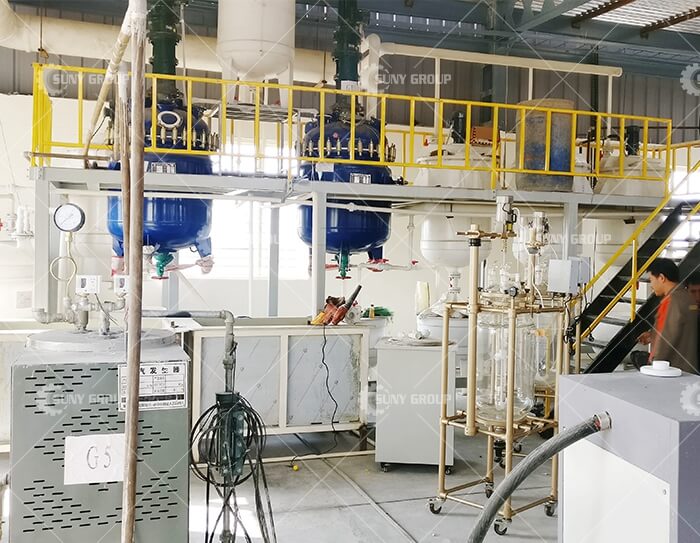
The sorted metal materials contain small quantities of highly valuable precious metals such as gold and silver. Through a gold stripping system (commonly used for experimental or small-scale testing), gold can be separated from the substrate. The material then proceeds to the precious metal refining stage, where electrolytic processes are employed to purify the gold and silver.
Concurrently, the copper electrolysis system recovers large quantities of copper, producing high-purity cathode copper. The entire refining process emphasises stability and purity control rather than mere ‘extraction’; the equipment’s ability to operate continuously directly impacts the quality of the output.
A complete electronic waste recycling production line is, in essence, a systematic engineering process comprising ‘dismantling, separation and purification’; the compatibility of the equipment and the design of the process determine the final recycling value.
Thank you for your interest in suny group. If you want to learn more about our E-waste recycling plant, copper wire recycling machine and other machines, Contact us now to find out what we can do for you next project!E-mail:[email protected] | Whatsapp:+8613674945231