Recycling equipment manufacturerFor a green future
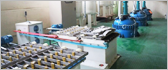
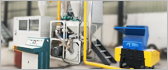
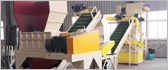
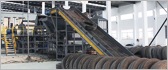


The Industrial Copper Wire Granulator Machine is primarily used to separate copper from plastic in waste electrical wires and cables. Through processes such as crushing, air classification and vibrating screening, it enables the efficient recovery of copper and plastic granules. Compared to traditional incineration or manual wire stripping methods, the copper granulator not only reduces copper loss but also minimises smoke and dust pollution, making it better suited to the current demand for large-scale waste wire recycling and processing.
The core structure of the copper granulator determines the separation efficiency
Industrial copper granulator machines typically consist of a crushing system, a conveying system, an air classification system, a vibrating screen and a dust collection system. The crusher is responsible for shredding waste cables into 3–5 mm particles, which forms a crucial foundation for the efficiency of subsequent sorting.
If the particle size of the crushed material is uneven, the difference in weight between copper and plastic is diminished, which can easily lead to incomplete separation. Therefore, most industrial-grade machines employ a multi-blade shaft design to improve the uniformity of the output.
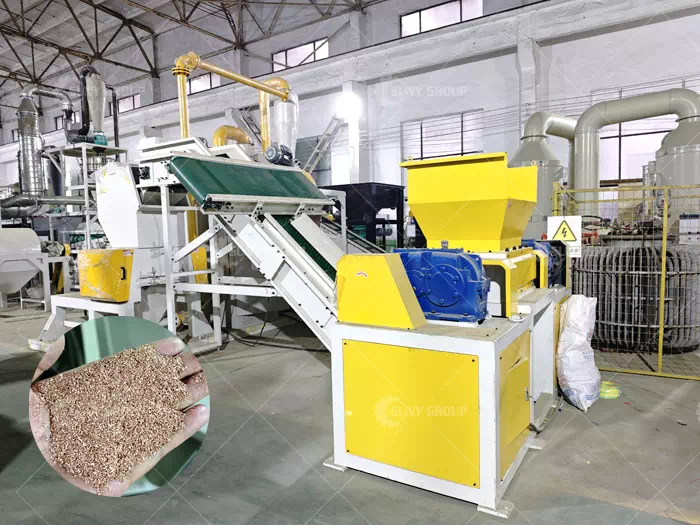
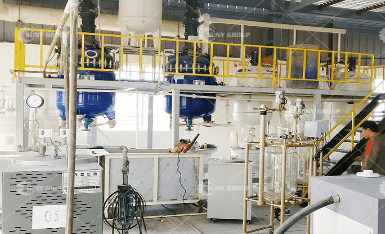
Electronic Waste Recycling Site in Kazakhstan
During the separation stage, the equipment primarily utilises the differing densities of copper and plastic to achieve automatic separation via air classification. Under normal conditions, high-quality copper granulators can achieve a copper recovery purity of over 98%. For complex feedstocks such as automotive wiring harnesses, telecommunications cables and mixed cables, some equipment incorporates an electrostatic separation system to further improve the recovery rate of fine copper particles.
The dust extraction system is equally crucial. The wire shredding process generates significant amounts of dust; if dust extraction capacity is insufficient, it not only affects the working environment but also leads to dust accumulation on bearings and screens, increasing maintenance frequency.
Factors Affecting the Long-Term Stable Operation of Copper Shredders
Many users focus solely on the equipment’s initial output, whilst overlooking long-term operational stability. In reality, blade material, screen structure and airflow control are the key factors that truly influence equipment lifespan and recovery rates.
For example, blades gradually wear down after prolonged processing of aluminium wire and steel wire contaminants. Once the blades become dull, the wire cannot be sufficiently shredded, allowing plastic to carry copper wires into the waste area, directly reducing the copper recovery rate. Therefore, industrial equipment typically employs high-hardness alloy blades and incorporates blade clearance adjustment functionality.
Furthermore, if the airflow in the air-separation system is too high, fine copper particles may be blown into the plastic outlet; conversely, if the airflow is insufficient, plastic is likely to mix with the copper granules. Consequently, a stable variable-frequency fan control system is more important than simply increasing the airflow.
Some large-scale copper granulating machines have a processing capacity of 300–1,000 kg/h, making them particularly suitable for continuous production in scrap cable recycling plants and e-waste processing enterprises.
Industrial copper granulators are undergoing upgrades towards energy efficiency and intelligent operation
In recent years, the sources of waste electrical wires have become increasingly complex, and traditional single-stage sorting methods are no longer sufficient to meet the demand for high-purity recycling. Many new industrial copper granulators have begun to adopt multi-stage sorting structures, utilising a combination of airflow, vibration and electrostatic separation to enhance the processing capacity for fine, mixed wires.
At the same time, energy consumption has become a growing concern. Some machines can reduce electricity consumption by approximately 10–15% through optimised air duct design and reduced idle power consumption. For recycling enterprises operating on a long-term basis, equipment energy consumption directly impacts overall profit margins.
From an industry development perspective, the core competitiveness of industrial copper granulators in the future will no longer lie solely in processing speed, but rather in copper recovery rates, equipment stability and long-term maintenance costs. This is also a key reason why an increasing number of recycling enterprises are beginning to prioritise equipment structural design and automated control systems.
Thank you for your interest in suny group. If you want to learn more about our E-waste recycling plant, copper wire recycling machine and other machines, Contact us now to find out what we can do for you next project!E-mail:[email protected] | Whatsapp:+8613674945231