Recycling equipment manufacturerFor a green future
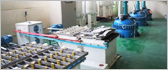
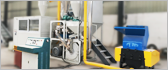
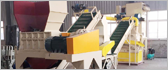
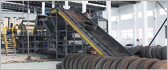


Lithium thionyl chloride batteries are high-energy-density primary batteries widely used in smart meters, IoT devices, military equipment, and remote monitoring systems. Because they contain metallic lithium, thionyl chloride electrolyte, and various active materials, improper handling of used batteries can easily generate corrosive gases and pose safety risks. Therefore, using a professional Lithium-thionyl Chloride battery crushing and recycling system not only ensures safe processing but also achieves metal resource recovery and environmentally friendly disposal.
Core Equipment Components of a Lithium-thionyl Chloride Battery Recycling System
Compared with ordinary lithium-ion batteries, lithium thionyl chloride batteries require stricter safety controls during recycling. A complete recycling production line typically consists of an automatic feeding system, an inert gas-protected crusher, a closed conveying system, a gas purification system, a screening device, and a metal sorting device.
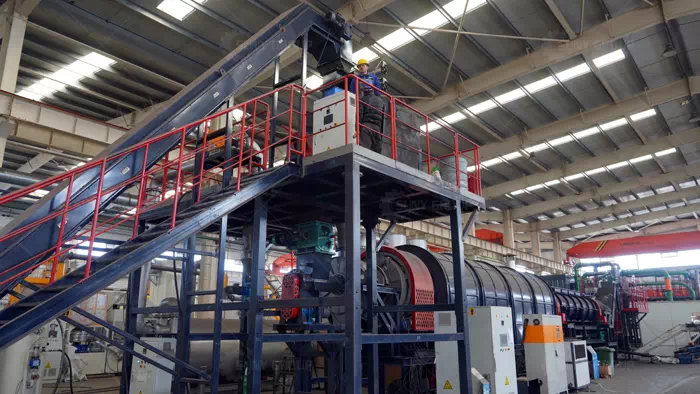
Lithium-thionyl Chloride Battery Shredding or Recycling System
Used batteries first enter the pre-treatment area via an automatic conveying system, where they undergo preliminary discharge treatment in a closed environment. They then enter specialized crushing equipment for multi-stage crushing. Because of the residual active material inside Lithium-thionyl Chloride batteries, the crushing process typically employs nitrogen protection or negative pressure operation to reduce the risk of oxidation and combustion.
The crushed mixture enters a screening system to classify particles by size. Metal casings, copper, iron, and other materials can be recovered using magnetic separation and gravity separation equipment, while lithium-containing black powder is processed into subsequent wet or pyrometallurgical extraction processes.
Characteristics of Battery Crushing and Exhaust Gas Treatment Technology
The biggest challenge in processing Lithium-thionyl Chloride batteries lies in the thionyl chloride electrolyte. This substance reacts with water to produce hydrochloric acid and sulfur dioxide, which are highly corrosive.
Therefore, modern battery recycling systems are typically equipped with multi-stage exhaust gas treatment devices. Volatile gases generated during crushing first enter a negative-pressure collection system, and then undergo neutralization treatment via an alkaline spray tower. Some large-scale recycling lines also add activated carbon adsorption devices to further reduce the concentration of exhaust gas emissions.
Based on actual operational data, a Lithium-thionyl Chloride battery recycling system with a processing capacity of 300-1000 kg/h can achieve a metal material recovery rate of over 90%, while effectively controlling harmful gas emissions and meeting industrial environmental protection requirements.
With the concentrated replacement cycles of smart meters, gas meters, IoT terminals, and industrial monitoring equipment, the number of waste lithium thionyl chloride batteries is continuously increasing. Compared to manual dismantling methods, automated crushing and recycling systems not only improve processing efficiency but also significantly reduce the risk of personnel exposure to hazardous chemicals.
In the future, as waste battery recycling regulations continue to improve, integrated Lithium-thionyl Chloride battery recycling systems with safe crushing, precise sorting, and environmental governance capabilities will become crucial equipment in the battery recycling industry chain.
Thank you for your interest in suny group. If you want to learn more about our E-waste recycling plant, copper wire recycling machine and other machines, Contact us now to find out what we can do for you next project!E-mail:[email protected] | Whatsapp:+8613674945231