Recycling equipment manufacturerFor a green future
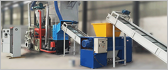
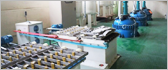
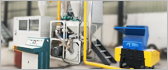
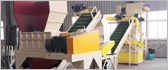


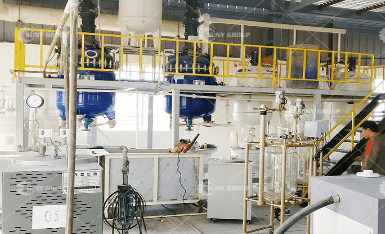
A Printed Circuit Board (PCB) recycling production line is an automated equipment system designed for processing discarded PCBs. Through a series of crushing, sorting, and metal recovery processes, it efficiently extracts valuable materials—such as copper, aluminum, and precious metals—enabling resource reuse while minimizing environmental pollution. It serves as a critical piece of technical equipment in the field of electronic waste (e-waste) treatment.
PCB recycling lines typically feature a modular design, characterized by a clear overall workflow that is easily scalable. The process begins with feeding and pre-treatment equipment, which conveys the discarded circuit boards to a crushing system for primary and secondary size reduction, ensuring the material particle size meets the specific requirements for subsequent sorting.
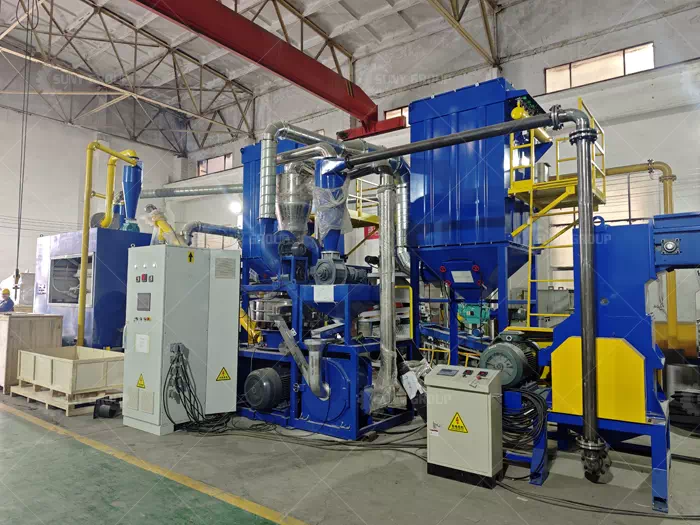
Printed Circuit Board Recycling Lines
The material then proceeds to the sorting stage. Common configurations include airflow separation units and vibrating screening systems, which are used to separate lightweight resin powder from heavier metal particles. Building upon this initial separation, electrostatic separation equipment performs a finer separation of the mixed materials, effectively distinguishing copper powder from non-metallic powders.
Throughout the entire line, various processing stages are interconnected by conveyor systems, ensuring a continuous flow of materials and maximizing overall processing efficiency.
The core competitive advantage of PCB recycling equipment lies in its sorting effectiveness and operational stability. The crushing system must possess high wear resistance and the capacity to handle a wide variety of PCB types, while simultaneously ensuring uniform output granularity to facilitate subsequent sorting processes.
Airflow separation and electrostatic separation equipment directly impact the metal recovery rate; their effectiveness hinges on the precise adjustment of airflow velocity, vibration frequency, and electric field intensity to accommodate the varying characteristics of different materials. Mature equipment designs typically feature adjustable parameters, allowing operators to optimize performance based on actual operating conditions.
Furthermore, the entire production line is equipped with a dust collection system to centralize and treat the dust generated during processing. This not only improves the working environment but also ensures compliance with environmental emission standards—a factor that, in practical operations, often determines the long-term stability and viability of the project.
As the pace of electronic product innovation accelerates, the volume of discarded PCBs continues to rise, containing substantial quantities of recyclable metal resources. By processing these materials through specialized recycling lines, waste that was previously difficult to utilize can be transformed into economically valuable metal materials.
Compared to traditional manual dismantling methods, automated production lines offer distinct advantages in terms of processing capacity, recovery efficiency, and safety, making them far better suited for large-scale, continuous production requirements. Moreover, against the backdrop of increasingly stringent environmental regulations, the adoption of standardized, compliant equipment has become a fundamental prerequisite for companies seeking to enter this industry. For enterprises intending to establish a presence in the field of electronic waste recycling, selecting mature and stable PCB recycling equipment is a crucial step toward achieving effective resource utilization and cost control.
Thank you for your interest in suny group. If you want to learn more about our E-waste recycling plant, copper wire recycling machine and other machines, Contact us now to find out what we can do for you next project!E-mail:[email protected] | Whatsapp:+8613674945231